
Ever seen “REIT” in a retirement account and wondered whether it’s real estate or a stock? It’s a little of both. Here’s a plain-English look at what a REIT is, why people invest, and how it connects to North Whatcom County.
What is a REIT?
A REIT (pronounced “reet”) stands for Real Estate Investment Trust. It’s a company that owns, and usually operates, income-producing real estate: apartments, shopping centers, warehouses, hotels, self-storage and more. According to the SEC’s Investor.gov guide to REITs, a REIT buys and develops properties mainly to run them as part of its portfolio, not to flip them.
Instead of buying a building, you buy shares in the company. Many REITs trade on a stock exchange like any other stock; “non-traded” REITs, the SEC notes, can be much harder to sell and value.
There are two main flavors:
- Equity REITs own property and earn money mostly from rent.
- Mortgage REITs (mREITs) don’t own buildings; they finance real estate and earn interest on mortgages and loans.
Why do people invest in REITs?
- Income. REITs must pay out at least 90% of their taxable income to shareholders as dividends, according to Nareit. That’s why many people look to them for regular income (dividends are taxable, and they can go down).
- No landlord duties. You get exposure to real estate without fixing furnaces, chasing rent or finding tenants.
- Diversification. One share can represent a slice of many properties instead of one building.
- Easier to buy and sell. A publicly traded REIT can be sold on any trading day; selling a rental house takes far more time and cost.
REIT prices rise and fall with the market and interest rates, and nothing is guaranteed.
A North Whatcom example
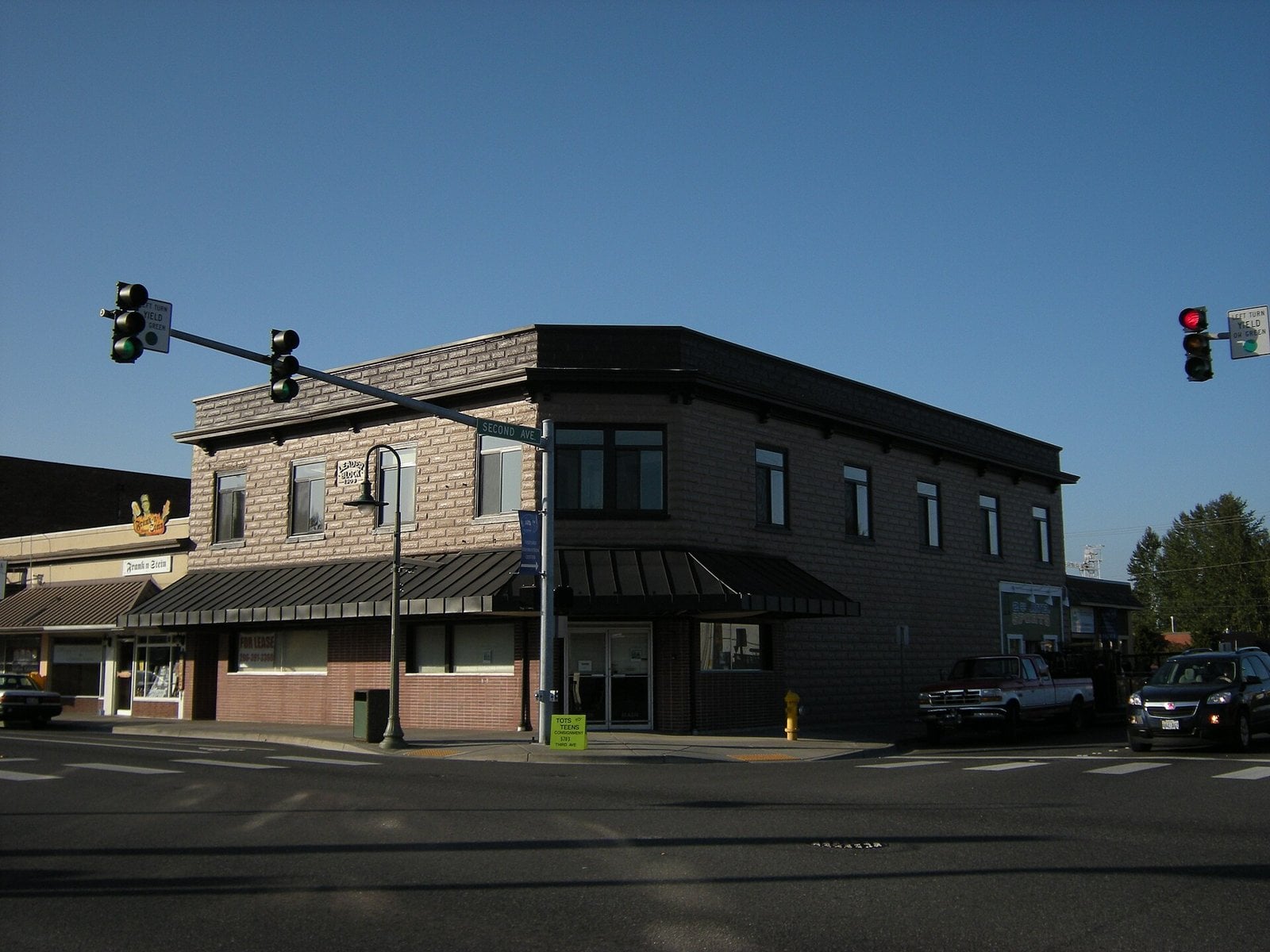
Picture a downtown block in Lynden or Ferndale with shops downstairs and offices above, an apartment complex, a self-storage lot, or a warehouse near the border in Blaine. Those are the same income-producing property types REITs own, just bundled by the dozens or hundreds.
Say two Everson neighbors each want to invest in real estate. One buys a small rental house in town. She knows the street, picks her tenant and builds equity in a property she can drive by, but she also handles repairs, vacancies and the costs of buying and selling. The other buys shares of a REIT that owns apartments and shopping centers in many states. He collects dividends with no tenant calls, but has no say in what the REIT buys, and his shares can drop on a bad market day.
Neither choice is “right.” Plenty of folks here own their home, maybe a local rental, and some REIT shares in a retirement account. It depends on your goals and how hands-on you want to be.
The bottom line
REITs are a way to own a small piece of big real estate without becoming a landlord. If you’re weighing a local rental or investment property, we’re happy to talk through the North Whatcom market with you. Just reach out to our team.
This article is for general information only and isn’t investment, tax or legal advice. Before investing in a REIT or any security, talk with a licensed financial professional.