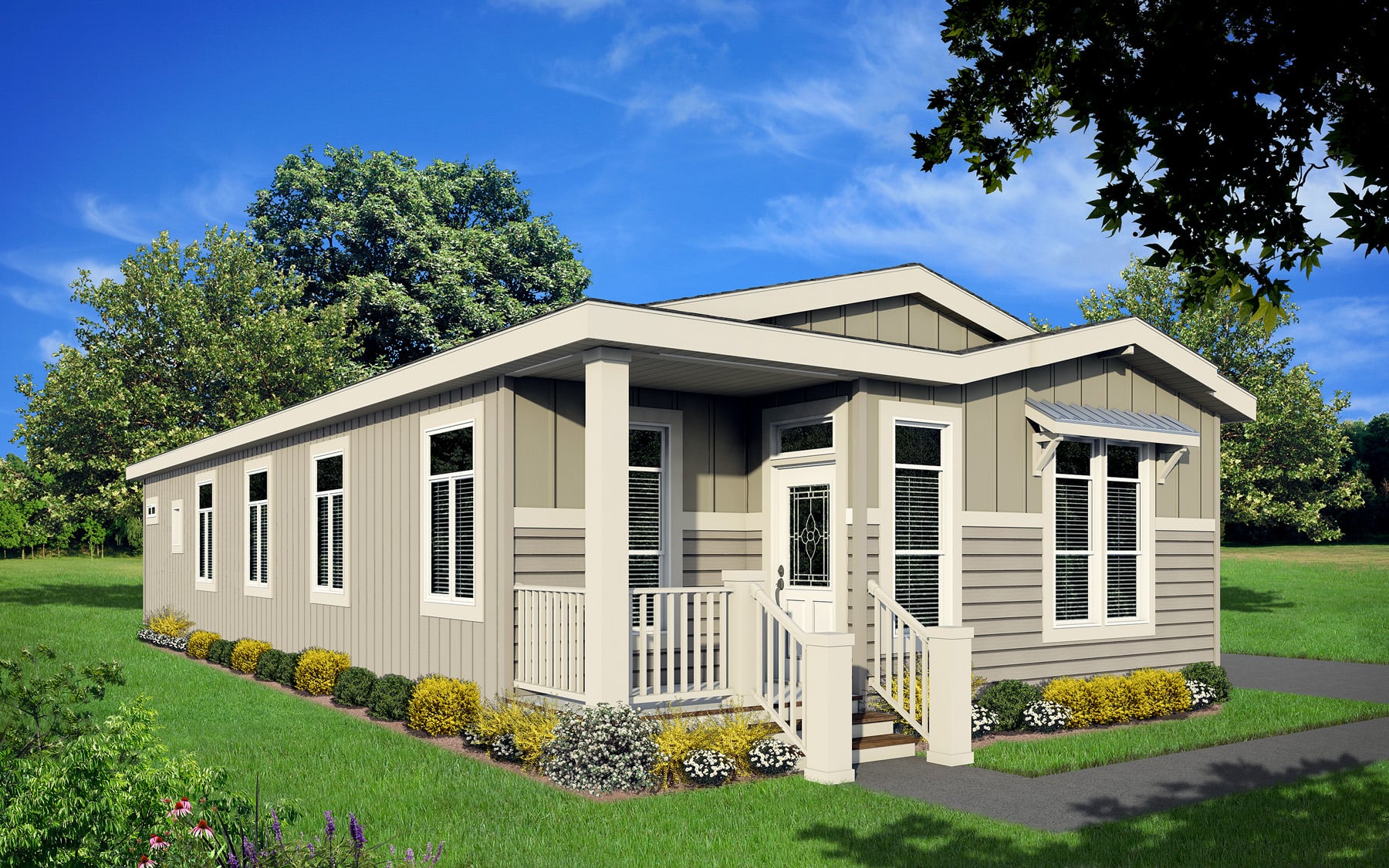
Manufactured homes play an important role in Whatcom County’s housing market. They offer affordability, flexibility, and the opportunity for homeownership at a price point that’s increasingly hard to find. But financing a manufactured home is very different from financing a traditional site‑built home and the rules can feel confusing if you’re navigating them for the first time. Foundation type, land ownership, the age of the home, and even whether the title has been converted to real property all determine what loan programs are available.
If you’re considering buying or selling a manufactured home, here’s a clear, approachable breakdown of what you need to know.
Understanding the Basics: What Makes Manufactured Homes Different
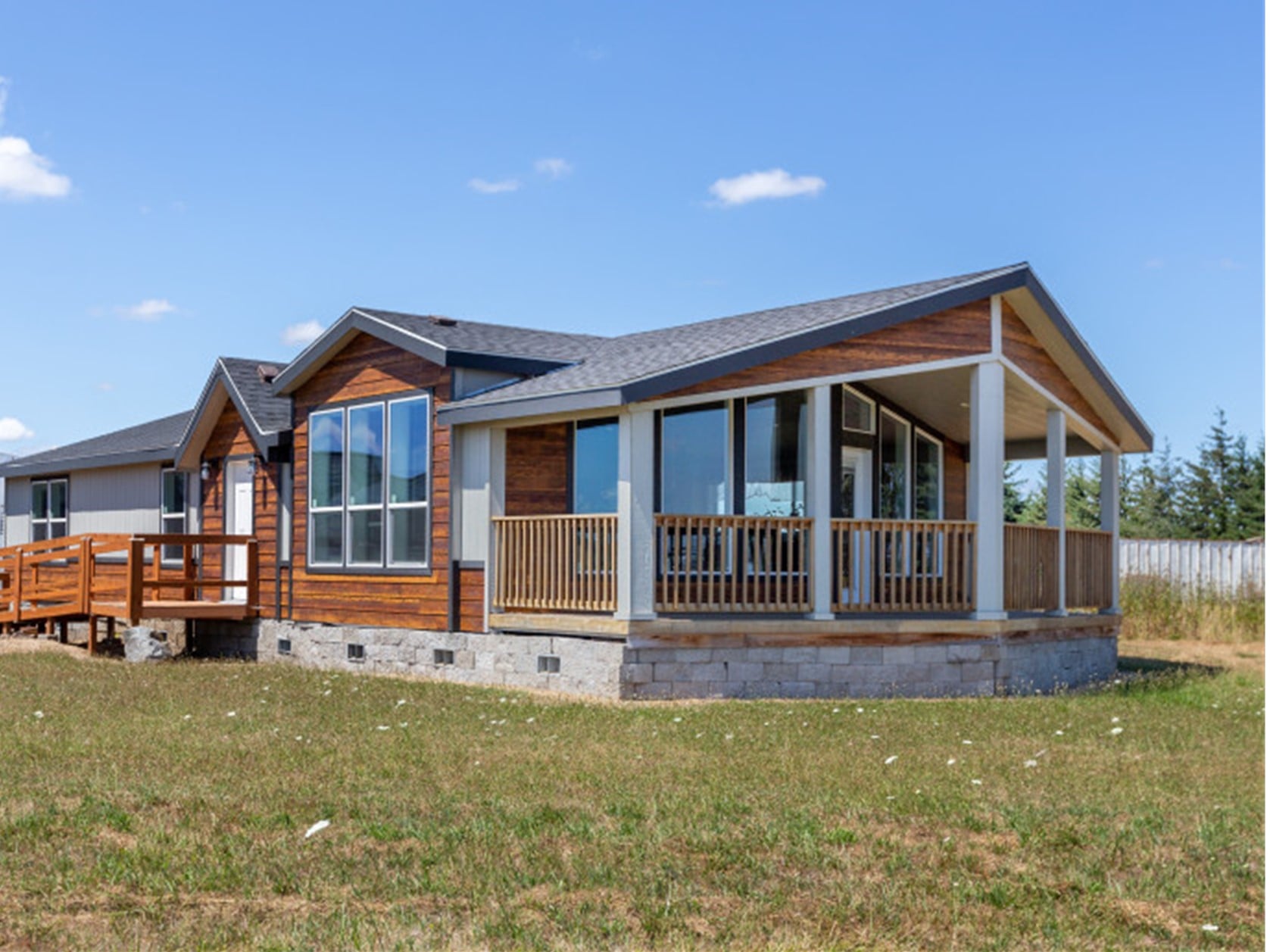
Manufactured homes are built in a factory and transported to their final location. Because of this, lenders treat them differently than site‑built homes. The biggest distinction is whether the home is considered real property or personal property (chattel).
A manufactured home is typically considered real property when:
- It is permanently affixed to a foundation
- The land is owned by the homeowner
- The title has been converted from “vehicle” status to real estate
Homes that are not affixed, or that sit on leased land, are often considered chattel, which dramatically limits financing options.
This distinction is the foundation of every lending decision and it’s the first thing buyers and sellers should understand.
FHA Loans: The Most Flexible Government Option
For many buyers, FHA financing is the most accessible path to purchasing a manufactured home. FHA offers two programs, though one is far more common than the other.
FHA Title II is the standard program used in most manufactured home purchases. It requires the home to be classified as real property, meaning it must be on a permanent foundation, and the buyer must own the land. The home must also have been built after June 15, 1976, when HUD construction standards went into effect. Buyers can put as little as 3.5% down, and both single‑wide and double‑wide homes may qualify, depending on lender overlays.
FHA Title I is far less common. It allows financing for homes not classified as real property, including homes on leased land, but the loan limits are lower, the rates are higher, and very few lenders offer it. Most buyers will never encounter this program, but it’s helpful to know it exists.
For buyers with lower credit scores or higher debt‑to‑income ratios, FHA is often the most forgiving and accessible option.
VA Loans: A Great Benefit with Stricter Requirements
Eligible veterans can use a VA loan to purchase a manufactured home, but the guidelines are more restrictive than FHA. VA loans require the home to be real property, chattel loans are not allowed, and most lenders prefer double‑wide homes. A permanent foundation is required, and some lenders add additional overlays that make VA manufactured home loans harder to place.
That said, when the home meets the requirements, VA financing is an incredible benefit: 0% down, no mortgage insurance, and competitive rates. It’s simply a matter of ensuring the property qualifies before falling in love with it.
Conventional Loans: Strong Options with Stricter Property Standards
Conventional financing through Fannie Mae and Freddie Mac is available for manufactured homes, but the guidelines are more specific.
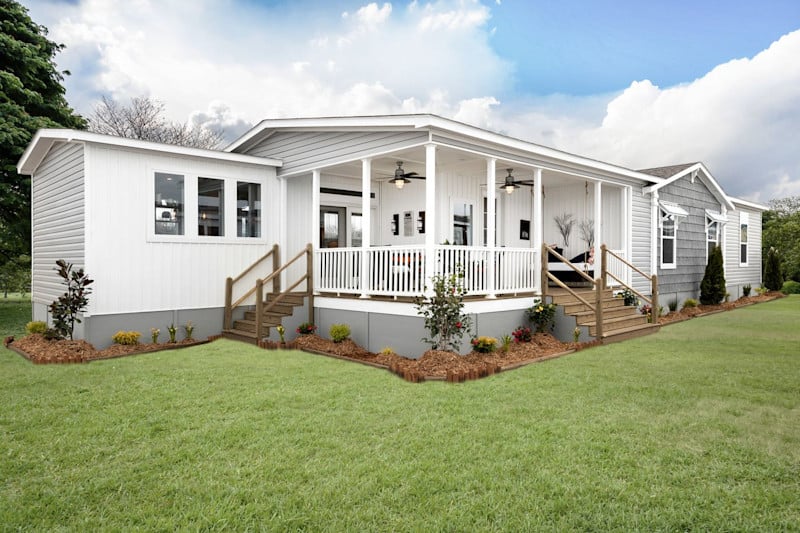
Fannie Mae requires the home to be real property, built after 1976, and at least a double‑wide. The minimum down payment is 5% for a primary residence. Pricing adjustments (LLPAs) are higher than for site‑built homes, but Fannie Mae’s MH Advantage program offers better pricing for higher‑end manufactured homes that resemble site‑built construction - think pitched roofs, garages, and upgraded finishes.
Freddie Mac offers similar guidelines, including a 5% down minimum and a double‑wide requirement. Freddie’s Home Possible program allows a 3% down payment for income‑qualified buyers, and its CHOICEHome program mirrors MH Advantage by offering better pricing for manufactured homes built to higher standards.
Conventional loans are an excellent option for buyers with strong credit and for homes that meet the more stringent property requirements.
Key Property Requirements That Can Make or Break a Loan
Regardless of the loan program, certain property characteristics matter more than anything else. These are the items that can stop a loan in its tracks if they don’t meet guidelines.
Foundation:
The home must be on a permanent, engineered foundation that meets HUD standards. Lenders often require a foundation certification from a licensed engineer.
HUD Tags and Data Plate:
Every manufactured home built after 1976 must have HUD tags on the exterior and a data plate inside. Missing tags can delay or derail financing.
Title Conversion:
The home must be legally converted to real property. If it’s still titled like a vehicle, financing options become extremely limited.
Land Ownership:
Most loan programs require the buyer to own the land. Homes on leased land typically require chattel financing, which is harder to find and more expensive.
Age of the Home:
Homes must be built after June 15, 1976. Some lenders require even newer homes, often 1990 or later.
Single‑Wide vs. Double‑Wide:
Single‑wide homes are the most difficult to finance. FHA may allow them, but conventional and VA programs generally do not.
These factors are why working with a knowledgeable agent, and a lender experienced in manufactured homes, is essential.
Final Thoughts: Manufactured Homes Offer Real Opportunity with the Right Guidance
Manufactured homes remain one of the most affordable paths to homeownership in Whatcom County, but the financing rules are unique. Understanding foundation requirements, title status, land ownership, and loan program differences can save buyers time, money, and frustration. For sellers, preparing your home correctly, and ensuring documentation is in order, can dramatically expand your buyer pool.
With the right team guiding you, buying or selling a manufactured home can be a smooth, confident experience. And in a market where affordability matters more than ever, manufactured homes continue to play a vital role in helping people achieve their homeownership goals.