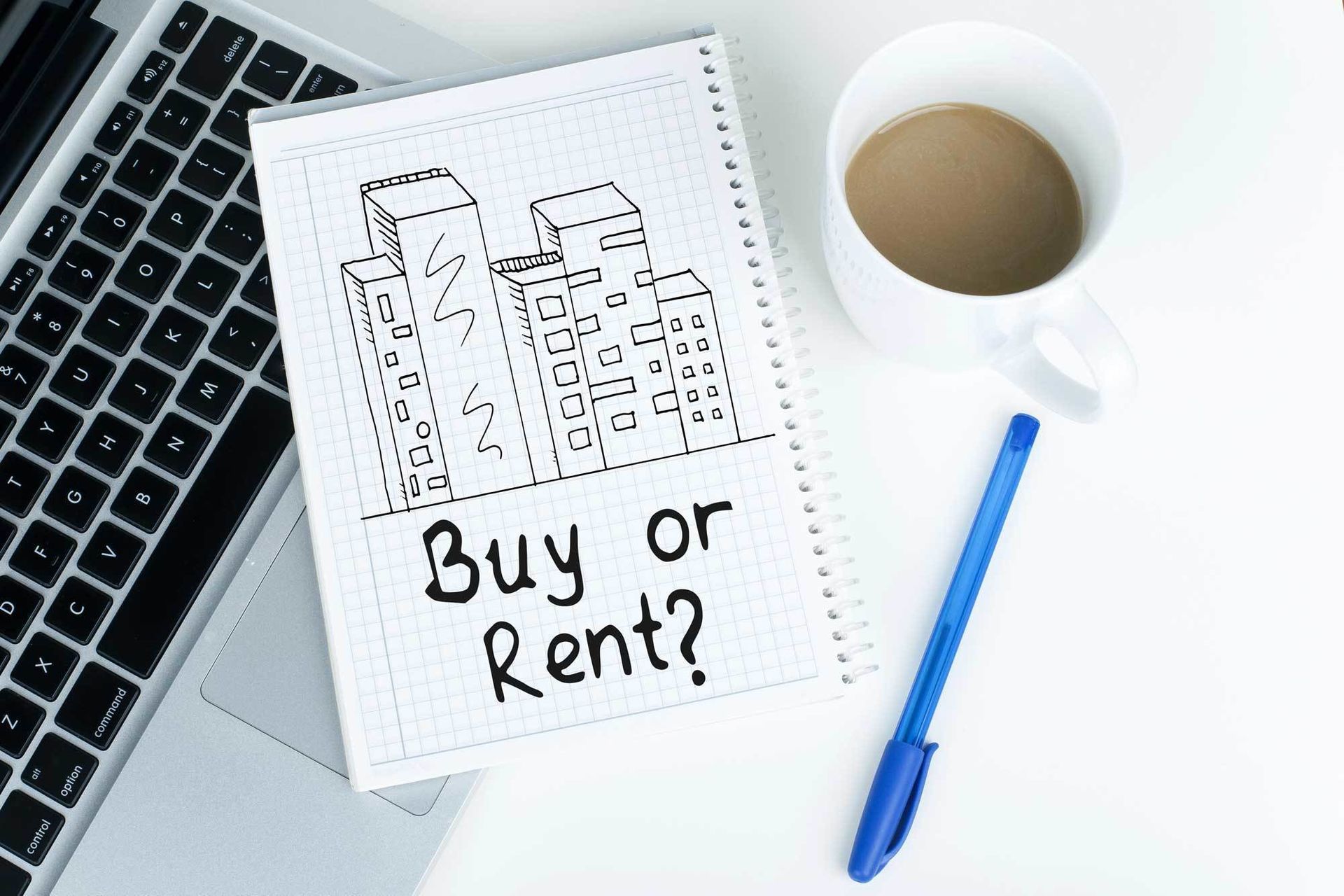
Deciding whether to rent or buy a home is one of the biggest financial and lifestyle choices you’ll ever make. And while money is a major factor, it’s far from the only one. Your future plans, career stability, personal goals, and even your age can all influence whether now is the right time to purchase a home - or whether renting makes more sense for the moment.
If you’re weighing your options, here are the key questions to ask yourself before making the leap into homeownership.
1. What Are Your Future Plans?
In the short term, renting is almost always cheaper. You typically pay first and last month’s rent, utilities, and moving costs - and that’s about it. Buying a home, on the other hand, comes with a long list of upfront expenses: your down payment, legal fees, inspections, closing costs, and more.
If you expect to stay in the same place for many years, buying often becomes the smarter long‑term investment. But if you think you may relocate within a couple of years - for work, relationships, or lifestyle changes - renting may save you money and stress.
There are exceptions. In fast‑growing markets, home values can rise quickly, allowing buyers to build equity even in a short period. But because no one can predict the market with certainty, it’s important to choose the option that aligns with your comfort level and long‑term goals.

2. How Old Are You, and Where Are You in Life?
Your stage of life can influence whether renting or buying makes sense.
In your twenties: You may still be exploring career paths, relationships, and where you want to live. Renting offers flexibility and fewer long‑term commitments.
In your thirties and beyond: Many people are more established in their careers and relationships, making homeownership a more practical and appealing option.
There’s no perfect age to buy a home, but the more clarity you have about your future, the easier the decision becomes.

3. Do You Understand the True Cost of Homeownership?
Buying a home involves far more than a mortgage payment. Before you commit, it’s important to understand the full financial picture.
Upfront costs include:
Down payment (often 10–20% of the purchase price)
Legal fees
Land transfer taxes
Closing costs (especially for new builds)
Moving expenses
Initial furnishings, window coverings, or repairs
Ongoing costs include:
Mortgage payments
Property taxes
Home insurance
Utilities
Maintenance fees (for condos)
Repairs and long‑term upkeep (roof, furnace, appliances)
Renting, by comparison, usually involves a single monthly payment plus utilities and tenant insurance. When you own a home, you’re responsible for everything - and those costs can add up quickly.
Running the numbers for both scenarios will help you understand what fits your budget today and in the future.

4. Are You Carrying High‑Interest Debt?
If you have significant credit card debt, car loans, or other high‑interest obligations, it may be wise to pay those down before taking on a mortgage. High debt can:
Make it harder to qualify for a mortgage
Lead to higher interest rates
Put you in a financially vulnerable position
Clearing debt first can strengthen your financial foundation and make homeownership more sustainable.

5. Do You Have Enough Saved for a Down Payment?
A larger down payment means lower monthly mortgage payments - and if you can put down at least 20%, you may not need mortgage insurance, which can significantly increase your costs.
If you’re not quite there yet, consider:
How long it will take to save the amount you need
Whether you’re comfortable asking family for help
Whether waiting a bit longer will put you in a stronger financial position
Buying before you’re ready can lead to financial strain, so it’s worth taking the time to prepare.
6. Is Your Job Stable?
Your employment situation plays a major role in whether buying is the right move.
Buying may be a good fit if:
You’ve been in your job for several years
You’re confident in your career path
You plan to stay in the same city
Renting may be better if:
You work contract or seasonal jobs
You’re considering a career change
You may relocate for work
A stable income makes it easier to manage mortgage payments and unexpected home expenses.
Final Thoughts: Renting vs. Buying Isn’t One‑Size‑Fits‑All
Buying a home can be a powerful way to build equity and invest in your future - but it isn’t always the right choice at every stage of life. If you’re early in your career, carrying debt, unsure about your long‑term plans, or still saving for a down payment, renting can offer flexibility and financial breathing room.
On the other hand, if you’re settled, financially prepared, and ready to put down roots, homeownership can be a rewarding and financially sound decision.
The key is to evaluate your goals, your finances, and your lifestyle honestly. And if you’re still unsure, a local real estate professional can help you understand your options and make the choice that’s right for you.