
When you’re preparing to sell your home, it’s easy to assume that routine maintenance no longer matters - especially once the home is listed or under contract. But staying on top of basic upkeep is still essential. A well‑maintained home shows better, reassures buyers, and helps prevent costly surprises that could delay or derail your sale. Even if you’ve already moved out, these tasks remain your responsibility until closing.
Small issues like a dripping faucet, a dim lightbulb, or an overgrown yard can raise red flags for buyers, making them wonder what else might be hiding beneath the surface. More importantly, neglecting routine maintenance can lead to major problems such as leaks, pests, or frozen pipes - all of which can impact your home’s value and your ability to close on time. To keep your sale on track, focus on these key areas.
1. Maintain the Yard and Walkways
Curb appeal doesn’t stop mattering once the sign goes up. Buyers form opinions before they even step inside, and a neglected exterior can signal that the interior may also need work.
What to stay on top of:
- Trim shrubs, remove dead branches, and keep flowerbeds tidy
- Mow regularly or hire a landscaper if you’ve moved out
- Set exterior lights on timers so the home never appears vacant
- Keep walkways shoveled, de‑iced, or cleared of debris depending on the season
- Remove mail, flyers, and packages promptly
A clean, cared‑for exterior communicates pride of ownership - something buyers notice immediately.
2. Clean the Gutters and Inspect the Roof
Gutters and roofs are out of sight, but they’re among the first areas inspectors scrutinize. A small issue here can quickly become a big one.
Why it matters:
Clogged gutters can cause water to pool near the foundation
Overflowing gutters can stain siding and damage landscaping
Roof leaks often go unnoticed until they cause interior damage
Buyers may request costly repairs or credits if issues are discovered during inspection
Have your gutters cleaned and your roof inspected before listing. Addressing small problems early helps avoid renegotiations later.
3. Service Heating Systems
Mechanical systems are some of the most expensive components of a home - and buyers know it. A furnace that smells, rattles, or fails during a showing can undermine confidence instantly.
What to do:
Schedule a furnace/HVAC service before listing
Replace filters and clean vents
Vacuum baseboard heaters and ensure they’re functioning
Keep the thermostat at a safe, consistent temperature (around 66 degrees)
If you have a fireplace, schedule a chimney cleaning and inspection
A well‑maintained system reassures buyers that the home has been cared for and reduces the risk of inspection surprises.
4. Prevent Pest Problems
Vacant or lightly occupied homes are especially vulnerable to pests. Even a small opening can invite rodents, squirrels, or raccoons - and once they’re in, they can cause significant damage.
Preventive steps:
Inspect siding, soffits, and rooflines for gaps
Seal openings promptly
Cover stove and dryer vents with wire mesh
Check the attic and crawlspace periodically
Remove food sources, including birdseed or pet food stored in garages
Pest issues discovered during inspection can delay closing and create expensive remediation requirements.
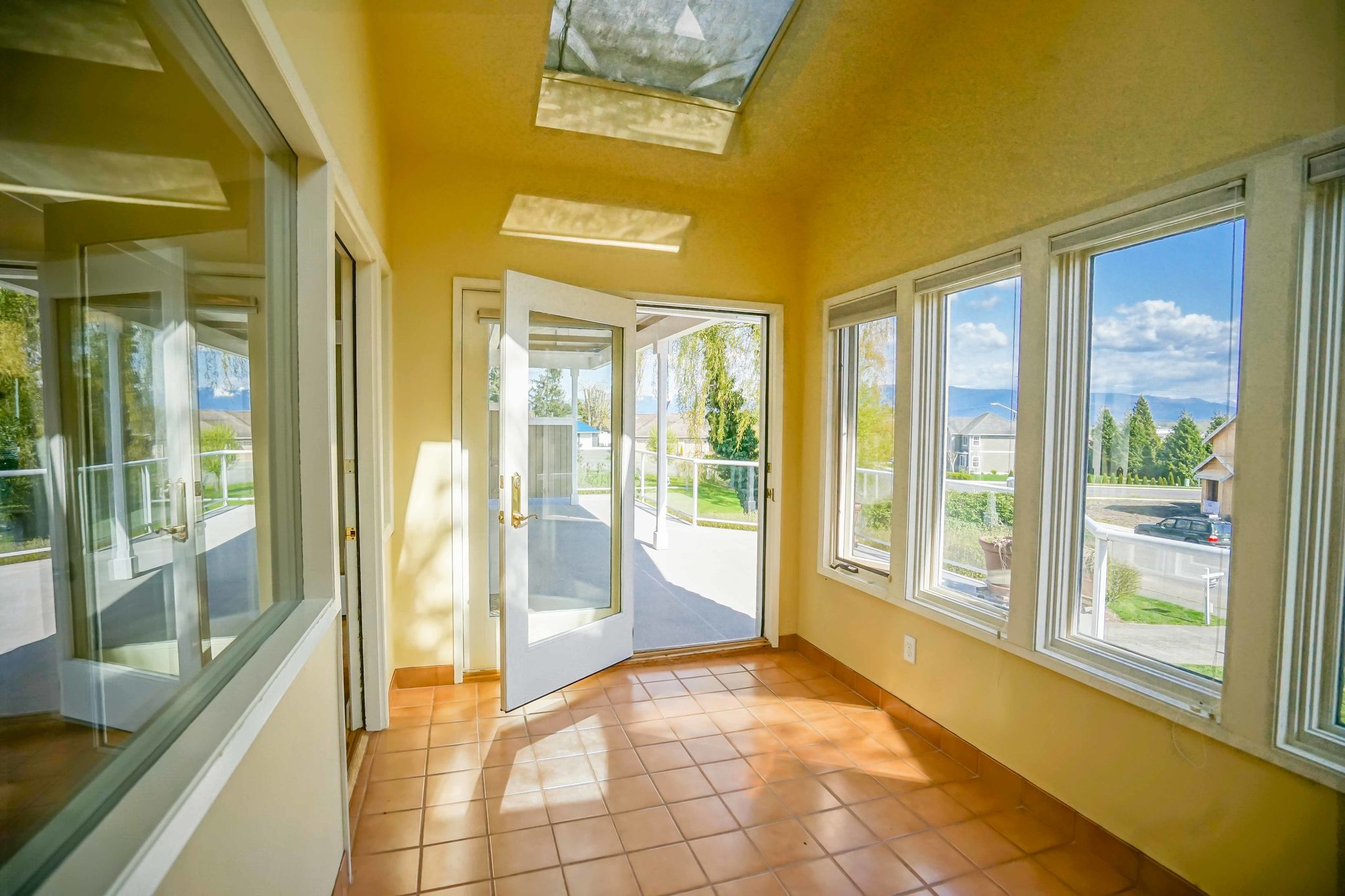
5. Wash the Windows
Clean windows dramatically improve how bright and inviting a home feels. They also signal that the home has been well cared for.
Why it matters:
Natural light is one of the top features buyers look for
Dirty windows can make rooms feel smaller and darker
Streaks and grime are especially noticeable after rain or windstorms
Whether you clean them yourself or hire a professional, sparkling windows elevate the entire showing experience.
6. Stay on Top of Seasonal Tasks
Seasonal maintenance is easy to overlook when you’re focused on moving, but it plays a big role in how buyers perceive the home.
Examples:
Fall: store hoses, clean gutters, put away lawn equipment
Winter: keep walkways clear, prevent ice dams, maintain safe indoor temperatures
Spring: remove winter gear, clean up yard debris, refresh exterior plantings
Summer: maintain lawn watering, trim overgrowth, keep patios tidy
Seasonal clutter or neglect can make buyers question how well the home has been maintained overall.
Why This Matters for Your Sale
Staying proactive with these simple tasks helps protect your home’s value, reduces the risk of last‑minute issues, and ensures a smoother selling experience. A little maintenance now can save you time, stress, and money as you move toward closing - and it helps buyers feel confident that they’re purchasing a well‑cared‑for home.